
The Visionaries: 9 Explorers Who Changed the Way We See the Planet
by Geoffrey Ravoire of Huffman Travel
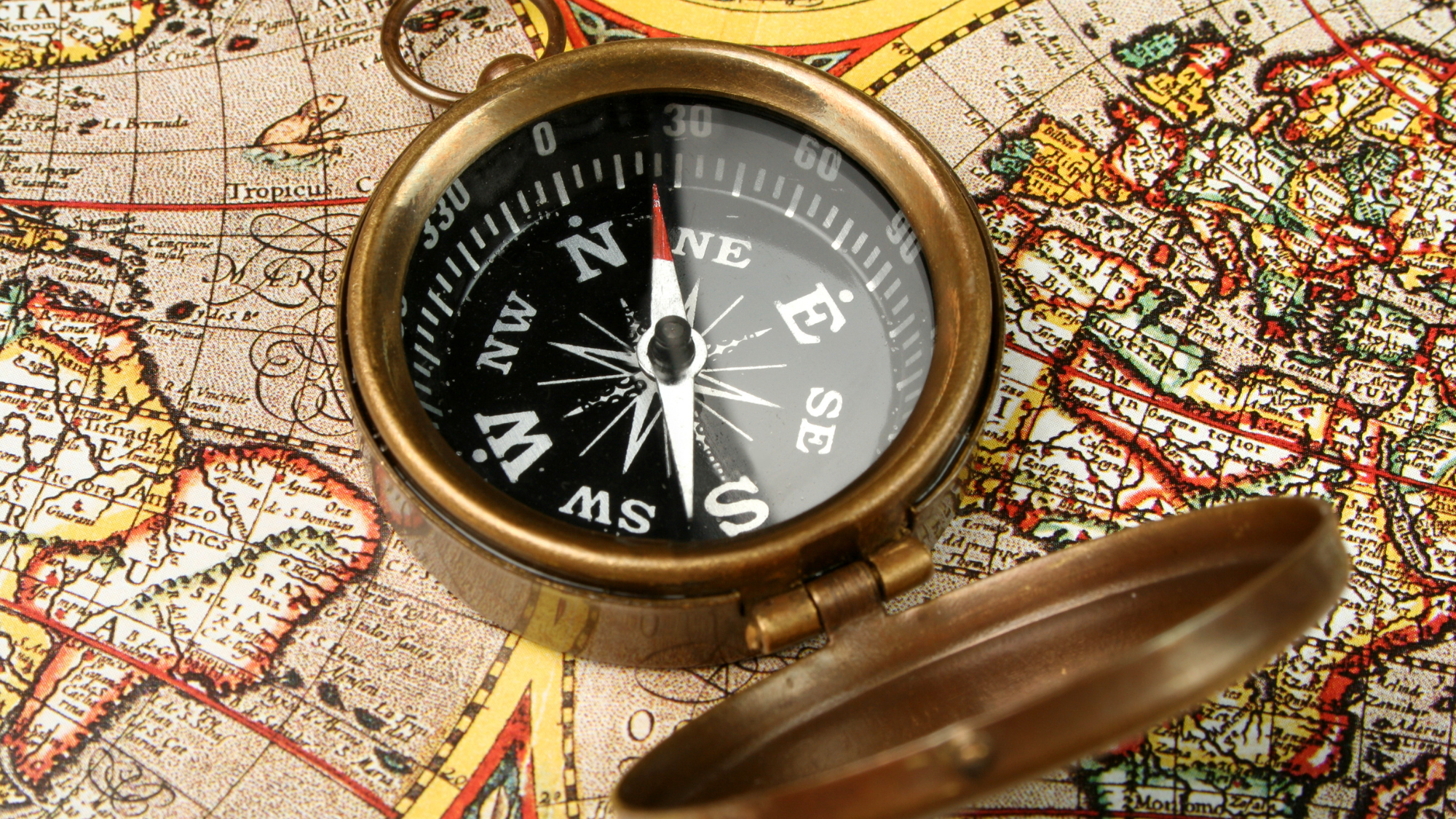
From the depths of the ocean to the summits of volcanoes, these scientists and storytellers helped the world fall in love with wild places – and inspired how we travel today.
There are people who map the world, and there are people who teach us how to see it. These nine visionaries did not chart new continents, but rather opened our eyes to the wonder already around us. Through fieldwork, film, photography, and fearless observation, they turned remote corners of the planet into places of emotional connection. They helped us understand not just where we might go, but why it matters.
Their work continues to shape the way we travel – slowly, meaningfully, and with a renewed sense of reverence. I hope you will join us in their exploration of the world.
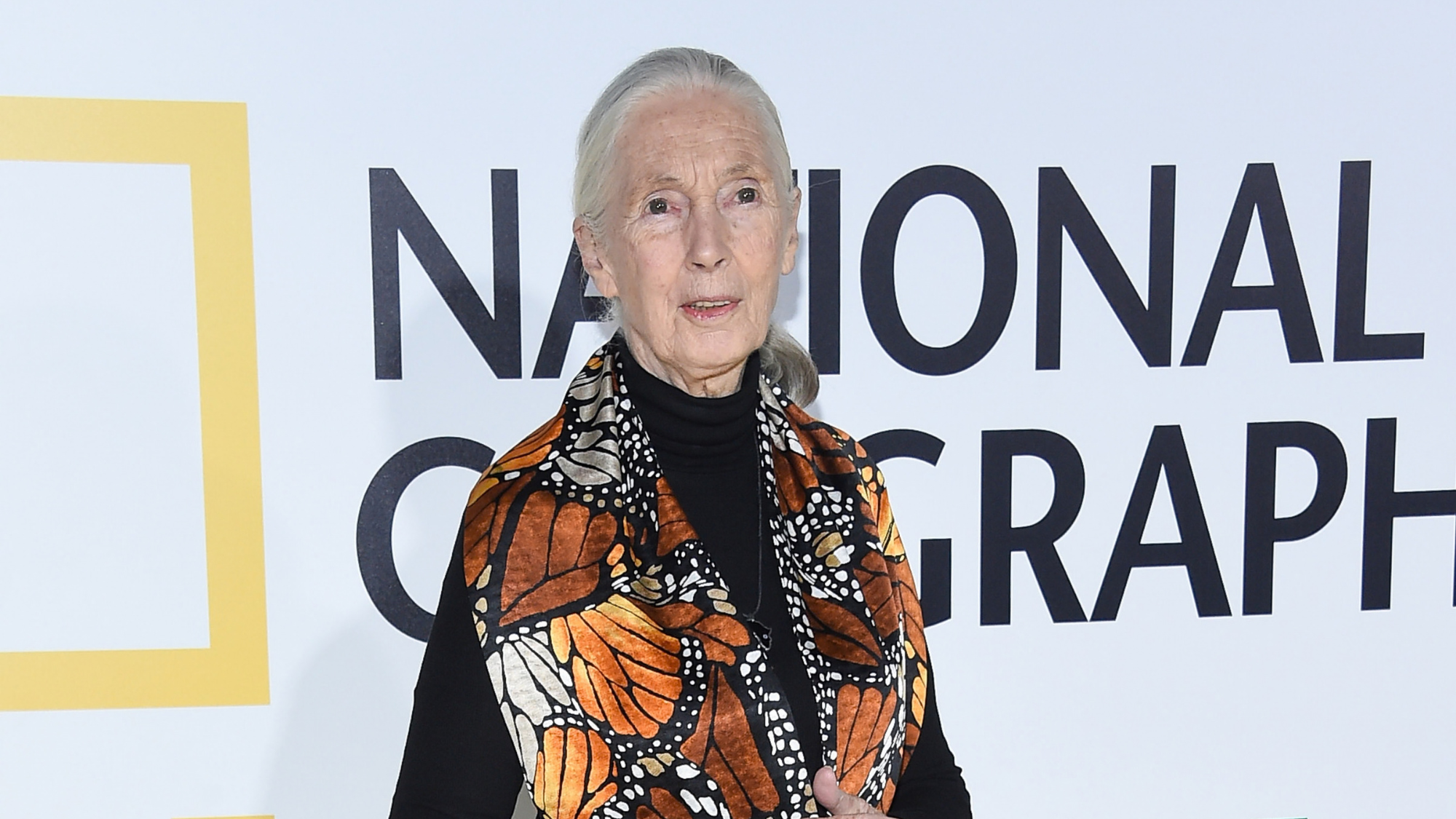
Jane Goodall – The Listener of the Forest
In the forests of Gombe, Tanzania, a young woman once sat quietly, day after day, among chimpanzees. Jane Goodall didn’t just study primates – she changed how we understand them. With patience and empathy, she revealed their social lives, emotions, and intelligence, collapsing the boundary between humans and animals.
Her work ignited a global fascination with primate behavior and conservation. Today, Gombe remains a pilgrimage for those inspired by her legacy. For travelers drawn to East Africa, it’s a place where science, story, and the soul of the forest meet.
Recommended read: In the Shadow of Man by Jane Goodall
Image courtesy of DFree/Shutterstock.com
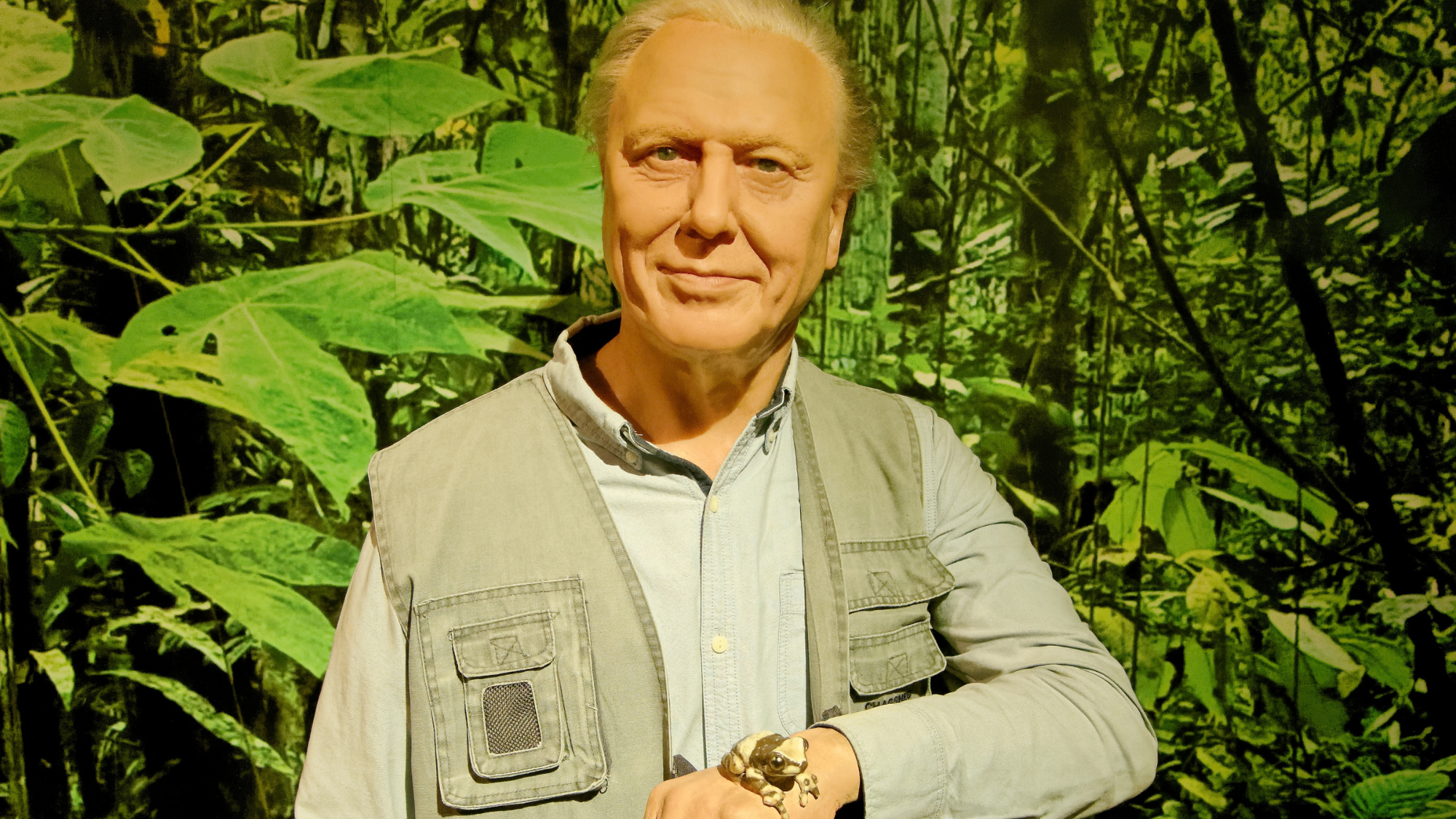
Sir David Attenborough – The Voice of the Planet
For over seven decades, Sir David Attenborough has been the world’s gentle guide through Earth’s wildest corners. His documentaries – from Planet Earth to The Blue Planet – haven’t just educated us; they’ve made us fall in love with the world again and again.
He invites us to see with reverence, not urgency. Whether it’s snow leopards in the Himalayas or coral reefs off the coast of Australia, Attenborough's narration carries the power to slow us down and make us look closer.
For those seeking nature in its most cinematic form, the places he’s illuminated – such as the Galápagos Islands or the Okavango Delta – offer endless inspiration.
Watch: Planet Earth II (BBC)
Image courtesy of ALLYOU Grzegorz Wasowicz/Shutterstock.com
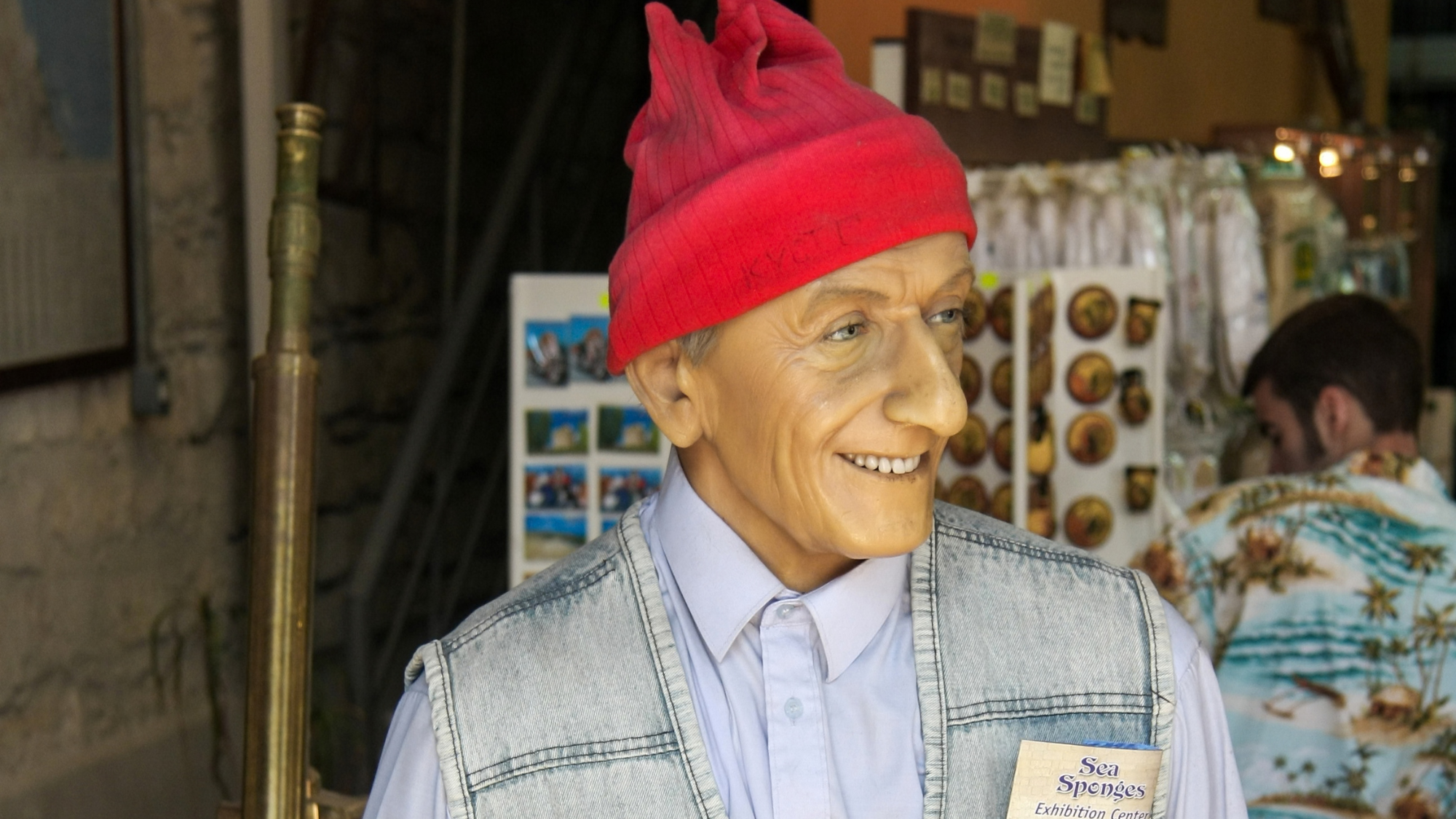
Jacques Cousteau – The Explorer of the Blue Frontier
Before underwater cameras were commonplace, there was Jacques Cousteau, gliding through coral gardens in his signature red beanie. Co-inventor of the Aqua-Lung and a pioneering filmmaker, Cousteau revealed the ocean as a realm of poetry and possibility.
Through films like The Silent World, he invited generations to see beneath the surface, turning the sea into a place of awe. Today, destinations like the Red Sea, the Great Barrier Reef, and the French Polynesian atolls remain infused with his spirit of aquatic discovery.
Watch: The Silent World (1956)
Image courtesy of GTS Productions/Shutterstock.com

Dian Fossey – The Guardian of the Gorillas
High in the mist-covered mountains of Rwanda, Diane Fossey dedicated her life to protecting mountain gorillas. Her intimate, often dangerous work shifted global attitudes toward one of the world’s most vulnerable species.
She brought the world into the lives of these magnificent primates, portraying their intelligence and fragility with rare immediacy. Her legacy lives on in the Virunga Mountains, where our travelers can still trek respectfully among gorilla families, guided by local conservationists.
Recommended read: Gorillas in the Mist by Dian Fossey
Image courtesy of gorillafund.org.

Nainoa Thompson – The Wayfinder
Nainoa Thompson didn’t just sail across oceans – he helped revive an ancient way of knowing. As a master of traditional Polynesian navigation, he brought back the art of wayfinding: reading stars, currents, and clouds to cross vast stretches of sea without modern instruments.
His voyages aboard the Hōkūleʻ a reignited cultural pride across the Pacific and reshaped how we understand movement, memory, and place. For travelers, the story of Thompson is a call to explore with humility and connection.
Image courtesy of @hokuleacrew on Instagram, Photo Credit: Little Village.png
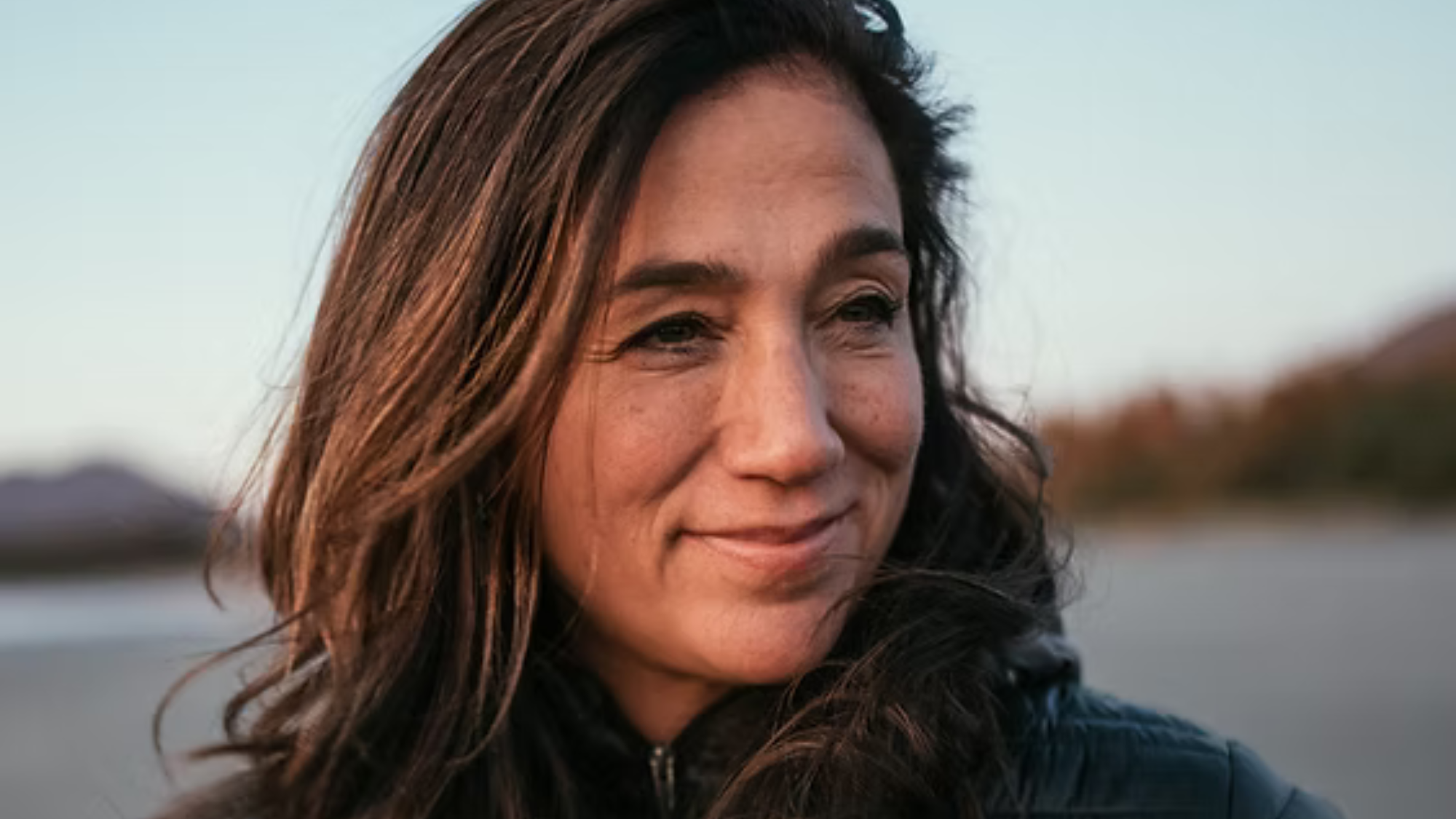
Cristina Mittermeier – The Eye of the Ocean
Cristina Mittermeier believes photography can shift the tides. A marine biologist turned conservation photographer, she co-founded SeaLegacy to tell powerful visual stories of ocean life and coastal communities.
Her images – elegant, emotional, and urgent – show the deep connection between people and water. Whether documenting Inuit hunters in the Arctic or humpbacks off the coast of Tonga, her lens transforms marine conservation into a story we all belong to.
Follow: @mitty on Instagram
Image courtesy of cristinamittermeier.com

Katia and Maurice Krafft – The Lovers of Fire
In matching red suits, Katia and Maurice Krafft walked fearlessly along the glowing rim of erupting volcanoes. French volcanologists and filmmakers, they spent their lives chasing fire around the world – from Iceland to Indonesia.
Their footage revealed not chaos, but choreography – lava flowing like silk, ash blooming like storm clouds. They died on Japan’s Mount Unzen in 1991, forever etched in the landscapes they loved. Their legacy lives on in every traveler who seeks the sublime power of the Earth.
Watch: Fire of Love (2022, National Geographic)
Image courtesy of United States Geological Survey

Prince Albert II of Monaco – The Royal Steward of the Poles
Few heads of state have ventured to both the North and South Poles, but Prince Albert II of Monaco has done just that. His environmental foundation supports polar research, ocean preservation, and sustainable development in some of Earth’s most fragile ecosystems.
His presence at the ends of the Earth reminds us that leadership and legacy are deeply tied to place. From Arctic expeditions to Antarctic scientific stations, his work underscores the majesty and precarity of the planet’s extremes.
Image courtesy of Frederic Legrand - COMEO/Shutterstock.com

Sylvia Earle – Her Deepness
When Sylvia Earle descends into the ocean, it’s with the calm of someone who belongs there. With over 7,000 hours underwater, this legendary marine biologist has led countless deep-sea expeditions and championed the creation of "Hope Spots" – marine areas worth protecting.
She reminds us that the ocean is not separate from us, but part of us. For travelers, her message is an invitation to engage with the sea respectfully, whether snorkeling in the Maldives or diving in the Galápagos.
Recommended read: The World Is Blue by Sylvia Earle
Image courtesy of National Undersea Research Program (NURP)/NOAA Photo Library, Public
These nine visionaries didn’t just study the world – they helped us fall in love with it. They invite us to move slowly, to look closely, and to seek out the extraordinary in the elemental. For travelers ready to follow in their footsteps – whether through coral gardens, mountain trails, or polar winds – the journey begins with wonder. And I believe wonder is always worth pursuing.