
The Storytellers: 9 People Who Changed the Way We See Cultures Through Travel
by Geoffrey Ravoire of Huffman Travel
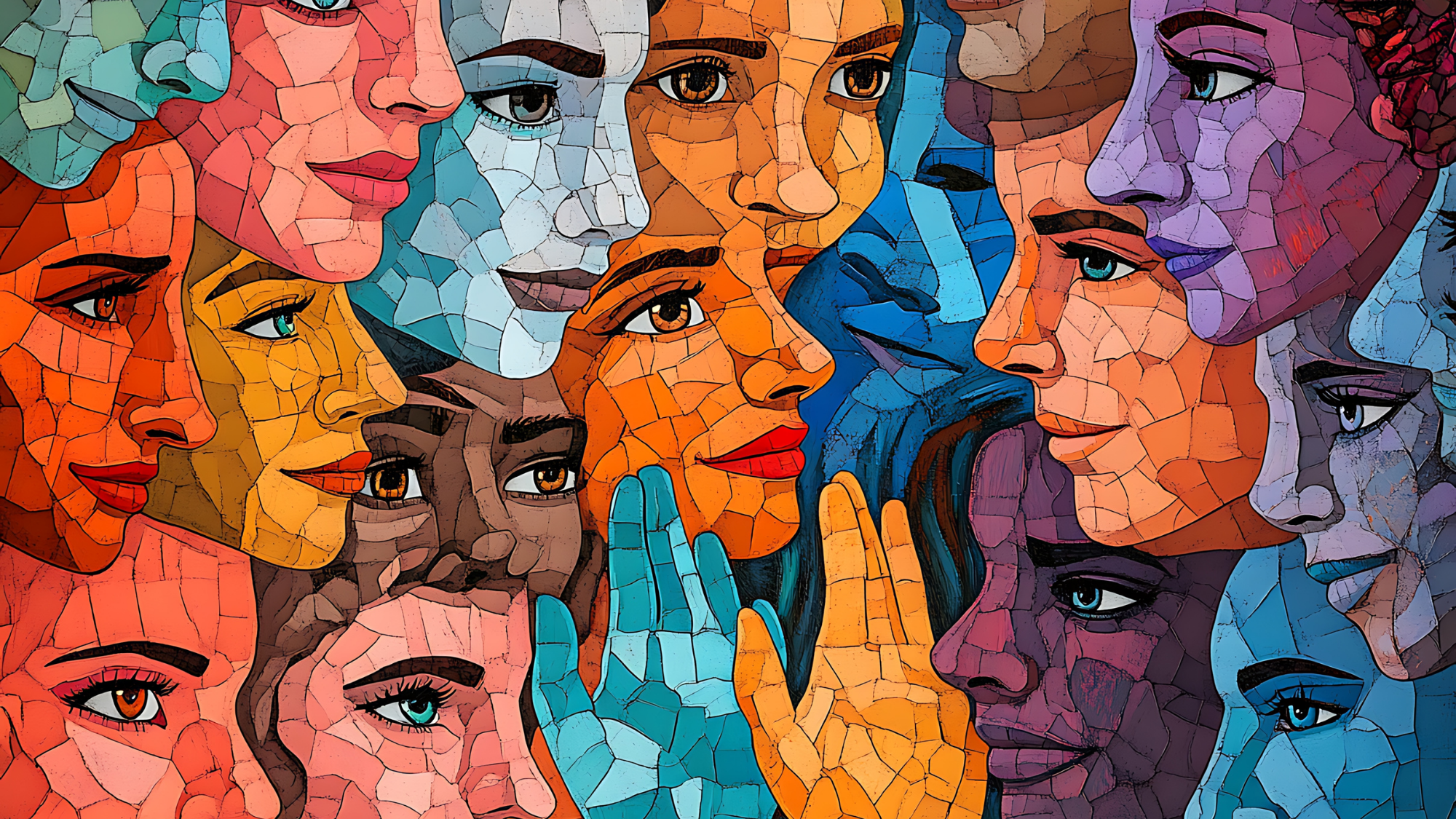
They helped us see not only places, but the people who bring those places to life. Through food, craft, migration, photography, and quiet acts of preservation, these cultural explorers reshaped how we understand the world and those who call it home.
Some travel to escape. Others travel to connect. These nine visionaries did more than cross borders – they bridged them. Through their words, lenses, philosophies, and tables, they invited us to see cultures not as curiosities, but as living, breathing expressions of humanity. They helped transform travel from observation into participation.
In their work, we don’t just find inspiration – we find belonging.

Diana Kennedy – The Archivist of Mexican Cuisine
A fiery British transplant who made Mexico her home, Diana Kennedy dedicated over 60 years to documenting the country’s regional cuisines. She traveled thousands of miles in her pickup truck, sleeping in hammocks, gathering recipes from abuelas and market stalls.
Her books preserved traditions that were vanishing, helping the world understand that Mexican cuisine is not one thing, but many: nuanced, regional, sacred. For travelers, her work is a map to Mexico’s soul, from the moles of Oaxaca to the carnitas of Michoacán.
Recommended read: The Essential Cuisines of Mexico
Photo credit: Diana Kennedy, photographed by Larry D. Moore, CC BY 4.0, via Wikimedia Commons.
.jpg#Licensing)
Sheila Watt-Cloutier – The Voice of Arctic Stewardship
Born in the Inuit community of Kuujjuaq in Northern Quebec, Watt-Cloutier has spent decades advocating for the preservation of Arctic culture and language. She speaks not only of melting ice, but of melting traditions – and the right to live sustainably in one’s ancestral homeland.
Her work reminds travelers that the Arctic is not empty, but inhabited. To journey there is not to witness desolation, but to engage with a culture of resilience, ingenuity, and profound ecological intimacy.
Recommended read: The Right to Be Cold
Photo credit: TheSilentPhotographer, via English Wikipedia.
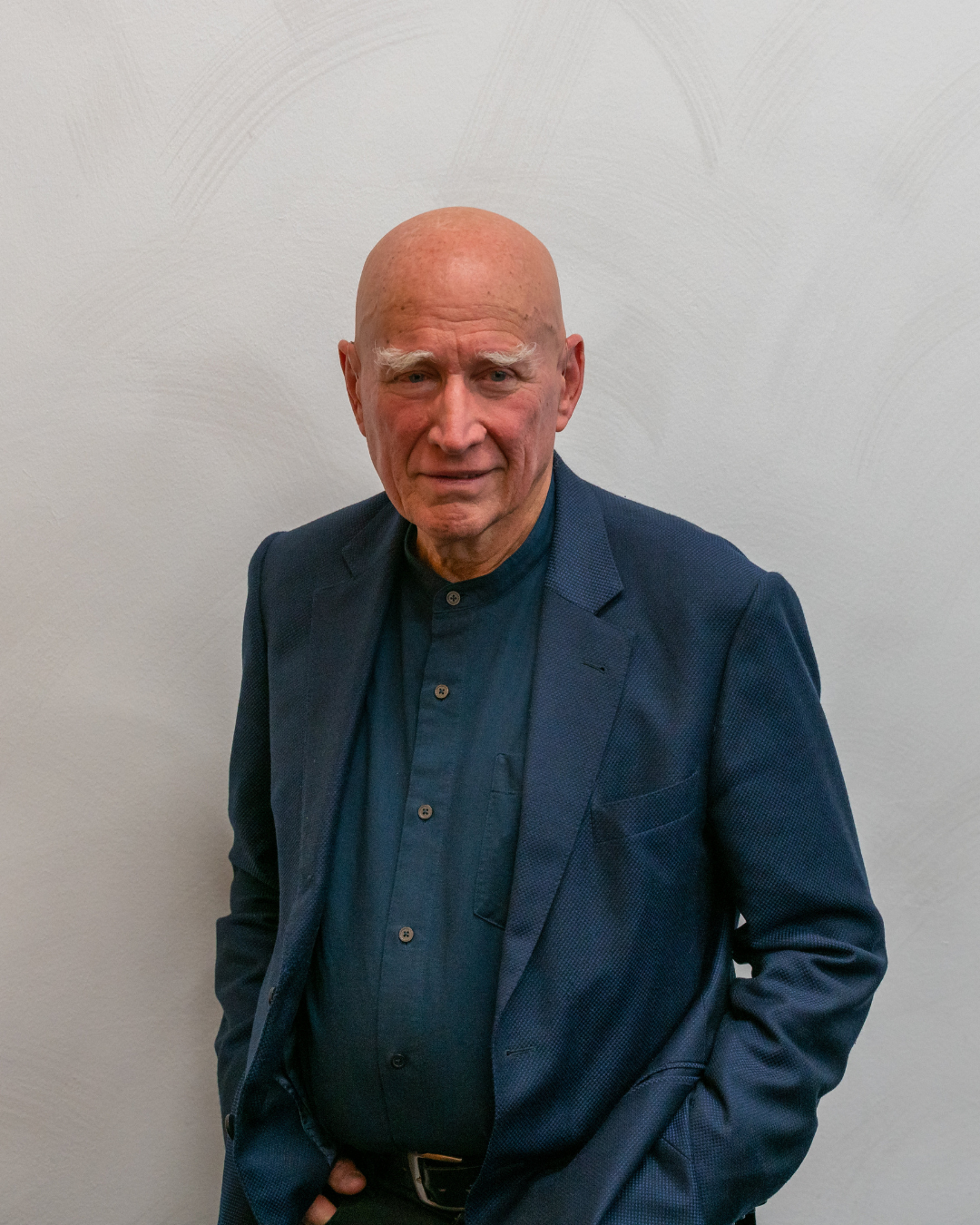
Sebastião Salgado – The Eye of Global Ritual
A former economist turned photographer, Salgado has spent decades documenting laborers, migrations, and sacred rituals across Latin America, Africa, and Asia. His black-and-white images are monumental and tender, capturing not just people, but dignity.
In projects like Genesis and Workers, he reveals humanity as part of nature, shaped by soil, sun, and spirit. His lens offers a pilgrimage through places often unseen – and brings their beauty into full relief.
Exhibit to see: The Salt of the Earth (film by Wim Wenders & Juliano Ribeiro Salgado)
Photo credit: Sebastião Salgado, photographed by Markus Wissmann / Shutterstock.

Robin Wall Kimmerer – The Botanist Who Speaks of Reciprocity
A scientist and member of the Citizen Potawatomi Nation, Kimmerer writes of plants as teachers and kin. Her bestselling book, Braiding Sweetgrass, weaves indigenous wisdom with Western ecology to offer a new way of seeing the natural world.
She asks us to slow down, to listen, and to consider that the land loves us back. Her voice has become a quiet anthem for respectful travel: where observation gives way to relationship, and landscape is not backdrop, but participant.
Recommended read: Braiding Sweetgrass
Photo credit: Robin Wall Kimmerer, InConversation with Robin Wall Kimmerer, Indiana Humanities, via Wikipedia.

Yotam Ottolenghi – The Composer of Culinary Harmony
Ottolenghi didn’t just elevate Middle Eastern cuisine – he made it a bridge. Born in Jerusalem, trained in Europe, and now based in London, his cookbooks celebrate the intersection of cultures through flavor.
His food tells stories: of za’atar-covered hills, of pomegranate markets, of family tables straddling histories. Through recipes, he makes cultural curiosity delicious, and invites travelers to experience a place not only with eyes, but with taste.
Recommended read: Jerusalem (with Sami Tamimi)
Photo credit: Yotam Ottolenghi, photographed by Keiko Oikawa, via Wikipedia.

Elizabeth Gilbert – The Chronicler of Soulful Reinvention
With Eat Pray Love, Gilbert sparked a generation of introspective, meaning-seeking travel. Her story – part memoir, part pilgrimage – took readers from the kitchens of Naples to the ashrams of India to the rice paddies of Bali.
While sometimes critiqued for its privilege, the emotional core of her work resonates: that we travel not just to see the world, but to recover parts of ourselves. Her writing opened the door for millions to view travel as transformation.
Recommended read: Eat Pray Love
Photo credit: Elizabeth Gilbert, photographed by Erik Charlton (Menlo Park, USA), February 5, 2009, via Wikipedia / Eat, Pray, Love.
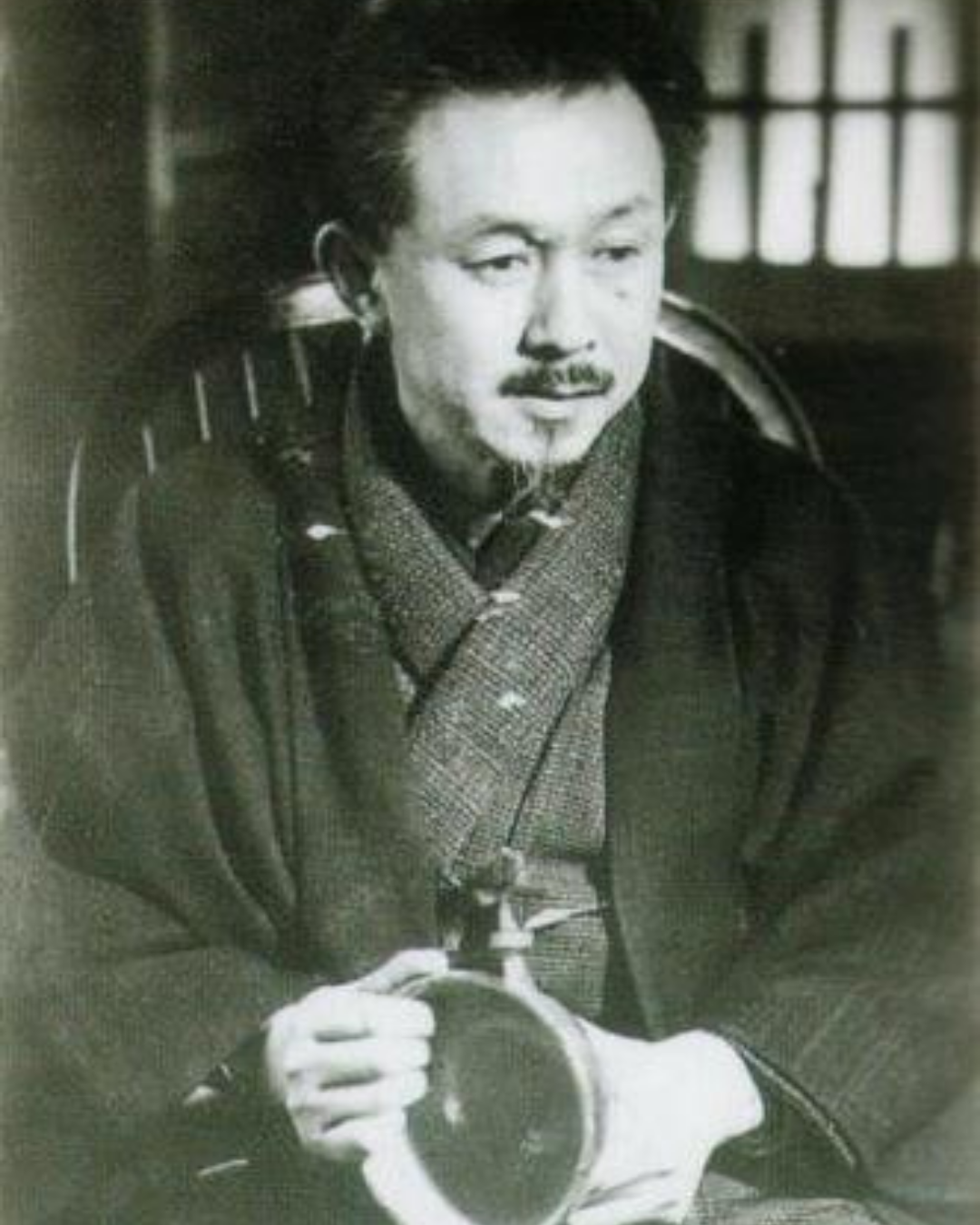
Yanagi Sōetsu – The Philosopher of Folk Craft
In early 20th-century Japan, Yanagi Sōetsu looked at a humble clay bowl and saw beauty. He founded the Mingei (folk craft) movement to celebrate the anonymous artisans whose work shaped everyday Japanese life.
His writings and museum shaped a new respect for handmade objects – pottery, textiles, lacquerware – that carried memory and soul. For travelers, his legacy lives in Japan’s craft villages, teahouses, and studios, where beauty is not rarefied but quietly lived.
Visit: The Japan Folk Crafts Museum (Tokyo)
Photo credit: Yanagi Sōetsu, circa 1950

Paul Salopek – The Walker of the World
A Pulitzer Prize-winning journalist, Salopek is walking the ancient migration route of early humans – a 24,000-mile journey from Ethiopia to Tierra del Fuego. The Out of Eden Walk is storytelling at the speed of trust.
He listens his way across borders, gathering quiet stories from farmers, herders, migrants, and elders. His project reframes modern travel as a form of witnessing, where the world isn’t consumed but honored, one step at a time.
Follow: Out of Eden Walk (National Geographic)
Photo credit: Paul Salopek in Delhi, India, photographed by Subhashish Panigrahi.

Carol Beckwith & Angela Fisher – The Guardians of African Ceremony
For over four decades, this duo has traveled through more than 40 African countries, documenting over 150 distinct cultures through photography, film, and trust. Their work captures rites of passage, body art, music, and sacred moments rarely seen by outsiders.
They don’t just photograph – they participate, preserving stories of joy, identity, and spiritual power. Their images are portals into worlds shaped by tradition and celebration, inviting travelers to honor culture, not consume it.
Recommended read: African Ceremonies (2 volumes)
Photo credit: Angela Fisher and Carol Beckwith at Hatchards bookshop, London, November 29, 2018, photographed by Edward Hands.
These nine voices remind us that to know a place, we must also know its people. Their work invites a different kind of journey – one of humility, sensory attention, and reverence for tradition. In a world of fast impressions, they ask us to go deeper. To listen longer. To travel, not as collectors, but as guests.